The journey across the northeastern reaches of Scotland, from the coastal town of Fraserburgh to the Highland city of Inverness, offers not only a traverse through shifting landscapes but also an intricate exercise in logistical planning. This route, while not particularly long in terms of mileage, unfolds a variety of transportation options, each with its own rhythm, timing, and set of trade-offs. What may appear to be a straightforward itinerary can quickly branch into multiple pathways, depending on whether the traveler prioritizes speed, scenery, budget, or simplicity.
1. A Glance at the Geography
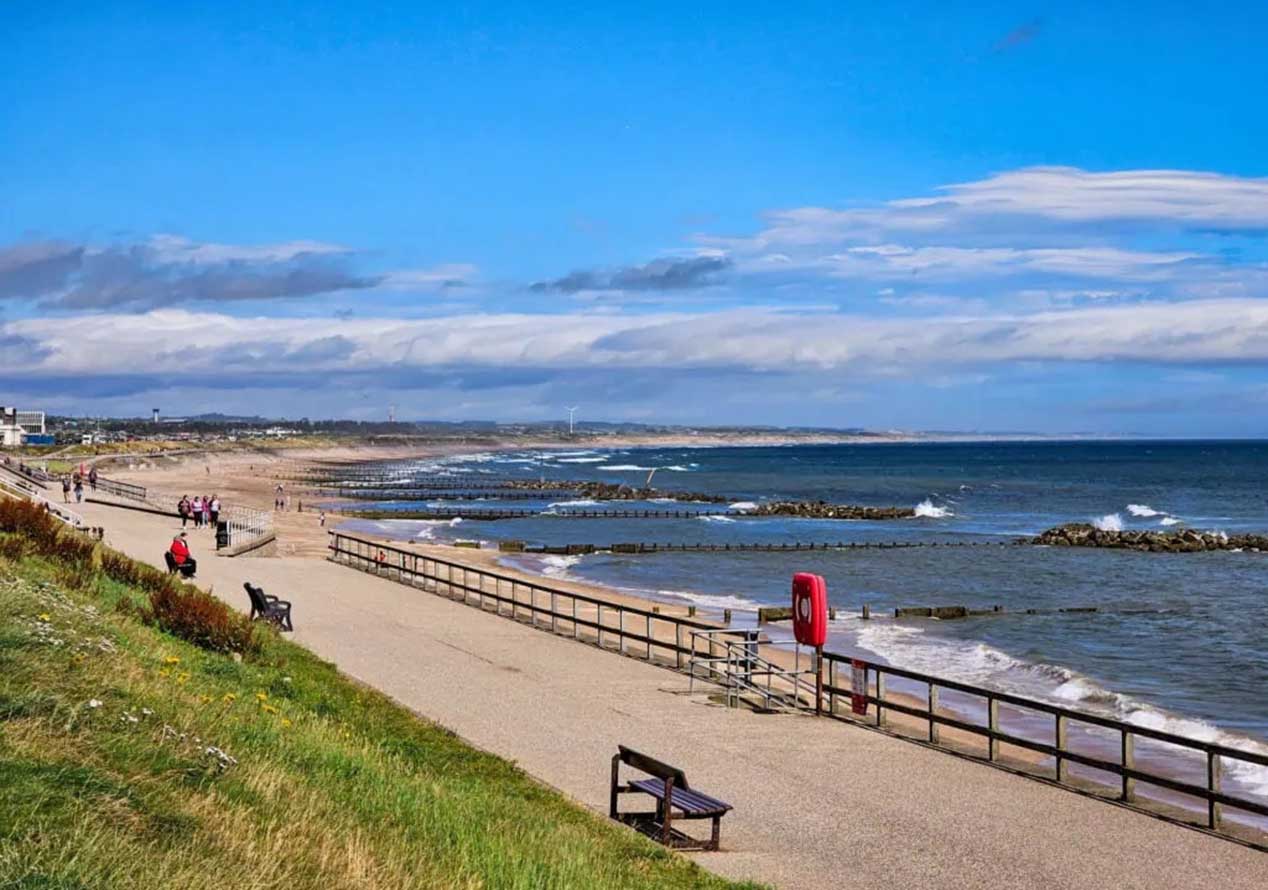
Fraserburgh sits at the northeast tip of Aberdeenshire, cradled by the North Sea, a fishing port with historical significance and rugged maritime charm. Inverness, the capital of the Highlands, rests along the banks of the River Ness, steeped in both ancient lore and modern vibrancy. The direct line between the two measures approximately 110 miles (177 kilometers), but the travel time can range wildly depending on the chosen route and method.
Roads, railways, and bus routes wind their way through the Grampian Mountains, along the Moray coast, or cut across rural Aberdeenshire farmland. The choice between comfort and time becomes a chess game against the Scottish infrastructure, especially outside of the central belt where the rail grid and motorway system thin out.
2. Driving: A Measure of Control
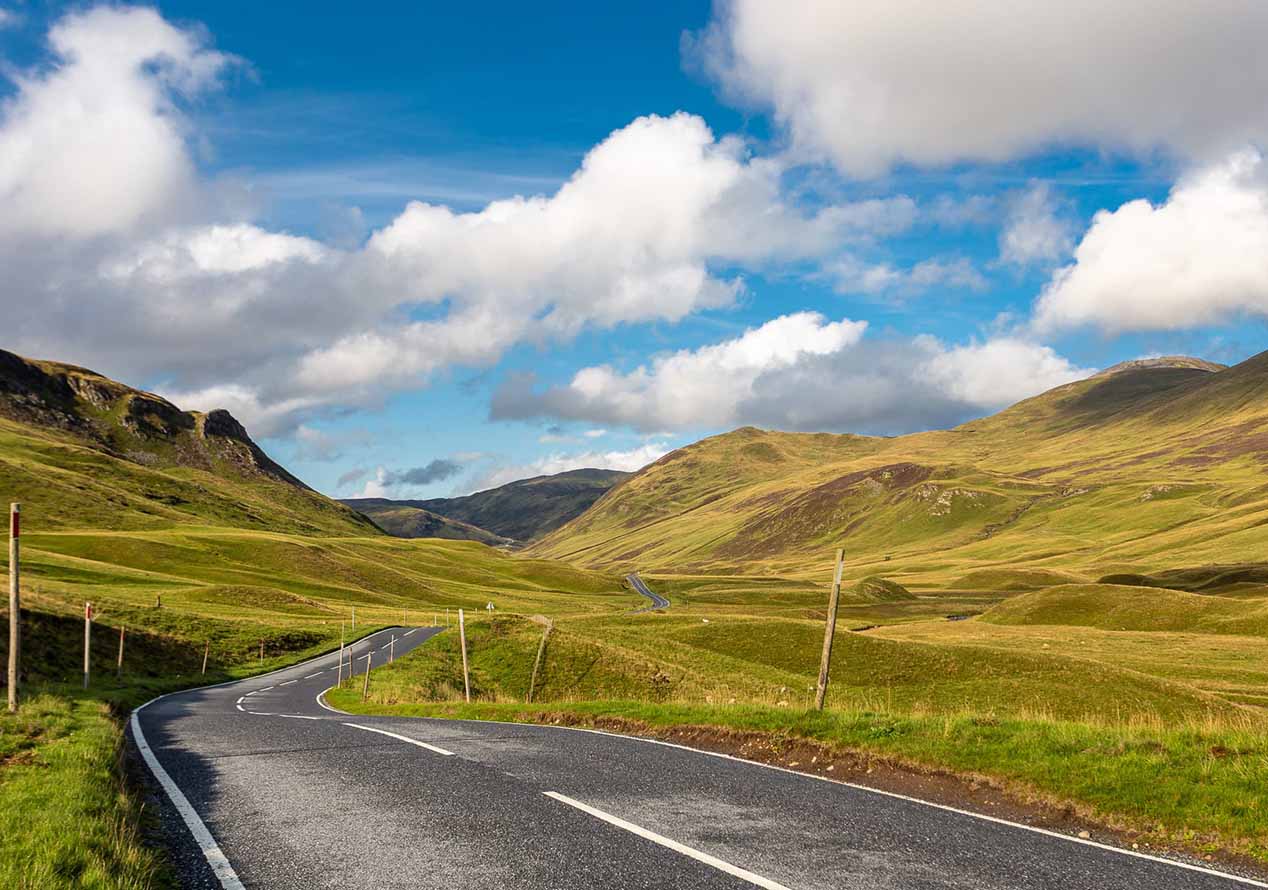
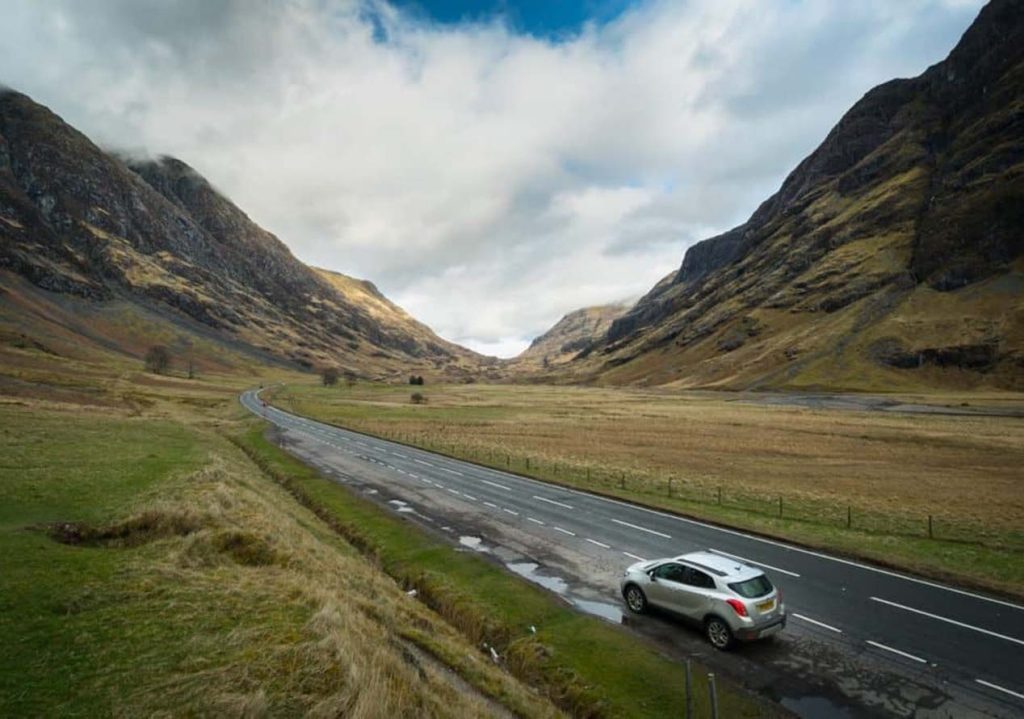
For those inclined toward autonomy, driving from Fraserburgh to Inverness offers the most control over pace and scenery. The primary route stretches via the A98 westbound to Banff, then joins the A96 through Elgin and Nairn into Inverness. Depending on traffic, weather conditions, and number of stops, this drive averages between 2 hours and 45 minutes to 3 hours and 15 minutes.
During favorable daylight conditions, this option not only provides access to picturesque coastal towns like Cullen and Lossiemouth, but also permits detours to historic sites such as Duff House or Brodie Castle. Drivers willing to take the longer route through Huntly and Keith can also enjoy a more rolling countryside drive with less congestion, although it adds about 15–20 minutes to the overall time.
Those departing early in the morning or late at night can often complete the journey faster, especially in off-season months when tourist traffic is low. However, inclement weather—particularly in winter—can complicate the passage, especially along narrower or untreated rural stretches.
Fuel Stops and Facilities
Most routes include sufficient refueling points in towns such as Banff, Elgin, and Forres. Rest facilities, cafes, and public toilets are available in the larger towns along the way, though more sparse through the inland routes. Planning stops in advance ensures a smoother experience, particularly for those traveling with families or during off-peak hours when services may be closed.
3. Bus Travel: Patience, Please
Scotland’s bus network, while comprehensive in coverage, tends to favor frequency over speed. Reaching Inverness from Fraserburgh by bus involves multiple changes and typically extends beyond five hours of total travel time. The most common route involves:
- A local Stagecoach service from Fraserburgh to Aberdeen Bus Station (approx. 2 hours)
- Transfer to an intercity service from Aberdeen to Inverness (approx. 3 hours)
Allowing for connection time and potential delays, the total door-to-door journey often hovers between 5.5 and 6.5 hours.
The buses themselves are modern and comfortable, with charging points, Wi-Fi, and onboard toilets on longer routes. Still, the pace is unhurried, making this a viable option primarily for those not constrained by time. Morning and mid-day departures are more frequent, while evening options become limited, often with fewer connections and longer waiting times.
Ticketing and Cost Considerations
Tickets can be purchased online in advance or directly from the driver. Prices vary but generally stay in the range of £18–£28 for a one-way trip. Booking early often results in minor savings, and return fares can sometimes be more economical.
Travellers using Scotland’s National Entitlement Card (for over-60s or those with disabilities) can travel free on most bus routes, which may influence the decision for some.
4. Train Travel: Rail Gaps and Workarounds
One might expect a direct rail line from Fraserburgh to Inverness, given the importance of both locations. However, Fraserburgh has not had a functioning railway station since the Beeching cuts of the 1960s. The nearest active railway station is in Aberdeen, necessitating a road leg before boarding a train.
The sequence for this method is:
- Fraserburgh to Aberdeen by bus (approx. 2 hours)
- Aberdeen to Inverness by train (approx. 2 hours and 15 minutes)
Total travel time fluctuates around 4.5 to 5.5 hours, depending on bus-train connection timing. Some connections require a wait of 30–45 minutes at Aberdeen station, which can be an advantage for those wishing to stretch their legs or grab a bite at Union Square’s many eateries adjacent to the terminal.
Train Comfort and Services
The ScotRail service between Aberdeen and Inverness is a pleasant ride, winding through fertile farmland, ancient woodlands, and villages untouched by modern hustle. First-class seating is available, though standard class is often quiet and comfortable enough for the duration.
Wi-Fi is available, albeit variable in strength across more rural sections. Luggage space is sufficient for most travelers, and bikes can be brought aboard with advance notice. Refreshment trolleys appear on many services, offering hot drinks and snacks.
5. Taxis and Private Hire: A Luxury of Cost
For those desiring direct, door-to-door service without the complexities of self-navigation, a taxi or private hire vehicle provides the most seamless—if most expensive—method. The cost for a one-way trip from Fraserburgh to Inverness ranges from £180 to £250, depending on the service provider and time of day.
Journey time by private car follows a similar estimate to self-driving: about 2 hours and 45 minutes. Some services offer luxury vehicles or chauffeur experiences, adding layers of comfort and personalized attention. This option often appeals to business travelers, tourists with multiple pieces of luggage, or those with physical mobility concerns.
Booking in advance is essential. Services can be arranged through local firms in Fraserburgh or through airport transfer companies based in Aberdeen or Inverness.
6. Cycling: Not for the Time-Conscious
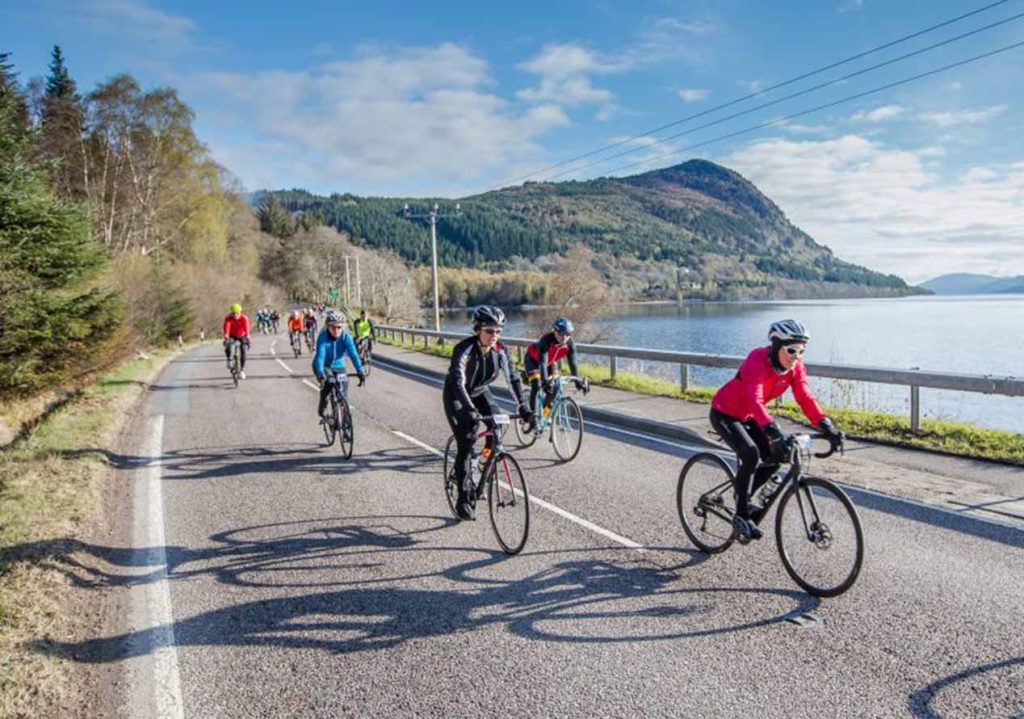
Covering the route by bicycle transforms the journey into a two-day endeavor at minimum, unless one is prepared for a grueling single-day push. The route via the A96 is not suitable for cyclists in many areas, due to high-speed traffic and limited shoulder space. A more suitable route follows B-roads through Turriff, Huntly, and Forres.
Total distance for a safer cycling route exceeds 130 miles. A fit cyclist covering around 60–70 miles per day could reasonably complete the trip in two days with an overnight stop, likely in Keith or Elgin.
The advantage, of course, lies in the immersive experience. Small glens, whisky distilleries, and ancient kirks appear like mirages on the horizon. But the weather remains the chief adversary—Scotland’s wind and rain are not easily negotiated.
7. Hitchhiking and Unorthodox Methods
Not a mainstream choice, but still within the realm of possibility, hitchhiking through rural Scotland is legal and occasionally practiced. Travel time under this method is impossible to predict and could vary from 4 hours to multiple days, depending on luck and traffic.
Those attempting this should dress appropriately, carry signage, and take care to avoid secluded or unsafe areas. It is not advisable after dark or during poor weather. While many Highland locals remain generous and accommodating, fewer cars along these routes reduce the chances of consistent lifts.
8. Air Travel: A Theoretical Shortcut
It may occur to the particularly curious that flights operate between Aberdeen and Inverness. While technically true, these are infrequent and expensive, typically used for charter or corporate purposes. The flight time itself is only 30–40 minutes, but when factoring in the time to get from Fraserburgh to Aberdeen Airport (1.5 hours), security checks, boarding procedures, and transfer from Inverness Airport to the city center, the total time often surpasses 5 hours.
Additionally, ticket costs for such flights exceed £200 and are rarely available on public booking platforms. Unless part of a larger, pre-arranged tour or corporate travel itinerary, this route remains more hypothetical than practical.
9. Seasonal and Time-of-Day Factors
Morning departures—regardless of the method—generally enjoy better connectivity, lighter traffic, and fewer service disruptions. Bus and rail services taper off in frequency after 6:00 PM. Driving after sunset in winter months introduces new challenges: narrow, unlit roads, black ice, and a higher chance of animal crossings.
Summer months, conversely, bring longer daylight, busier roads, and potential service delays due to tourism volume. Those traveling during the Edinburgh Festival or the Highland Games season may find all services more congested than usual.
10. Infrastructure Developments on the Horizon
Transport Scotland has published future proposals for improving both rail and road infrastructure across the northeast. Discussions continue around reopening parts of the Buchan rail line, which once connected Fraserburgh directly to Aberdeen and Inverness via inland routes. While unlikely to materialize in the immediate future, such initiatives could drastically alter the timing and accessibility of this route in years to come.
In the meantime, travelers must balance convenience, cost, and patience in choosing their method. The journey from Fraserburgh to Inverness may not demand high-speed transit or glamour, but it offers a rich cross-section of the Scottish travel experience—from sea-blown coastlines to Highland peaks.