I arrived in Fraserburgh with the wind in my face and the tang of salt in the air—exactly the kind of welcome one would expect from Scotland’s rugged northeastern tip. A fishing town through and through, Fraserburgh greets visitors not with fanfare, but with an honest handshake: granite buildings, creaky docks, gull cries, and a history as deep as the North Sea. It isn’t glossy, and that’s part of its charm. What follows is a detailed look at ten places that defined my time in this windswept town—each one a story, each one stitched into the fabric of the place.
1. Kinnaird Head Lighthouse & Museum of Scottish Lighthouses
There’s something both poetic and pragmatic about lighthouses. They’re guardians, standing firm against storm and night. Kinnaird Head Lighthouse was the first I visited, and it felt more like an initiation than a stop on a map.
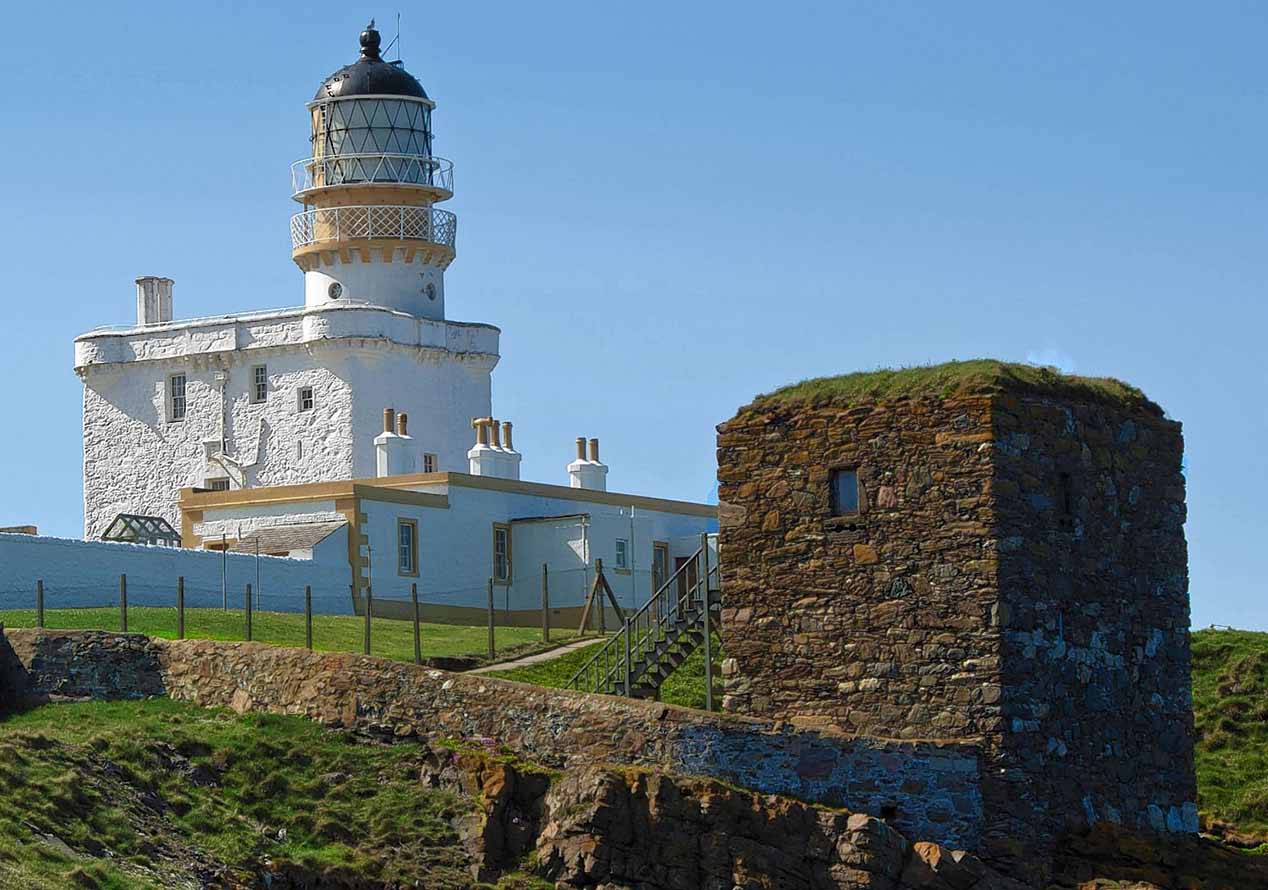
Originally built into a 16th-century castle, the lighthouse was converted in 1787 and remains one of the most unusual beacons I’ve encountered. Tour guides here don’t just recite facts—they tell tales of shipwrecks, whale sightings, and the lighthouse keepers who watched over it all with thermoses of tea and woolen sweaters. I climbed the narrow spiral stairs up to the lantern room, and from there, the view was nothing short of mythic: steel-blue seas, a serrated coastline, seabirds circling on the updrafts.
Below, the Museum of Scottish Lighthouses held a collection of Fresnel lenses, maritime artifacts, and deeply personal memorabilia—letters, logbooks, even old oil cans used to keep the light burning in foul weather. One could spend an entire afternoon absorbing it all, and I did, pausing often just to listen to the hum of the sea beyond the thick stone walls.
2. Fraserburgh Harbour
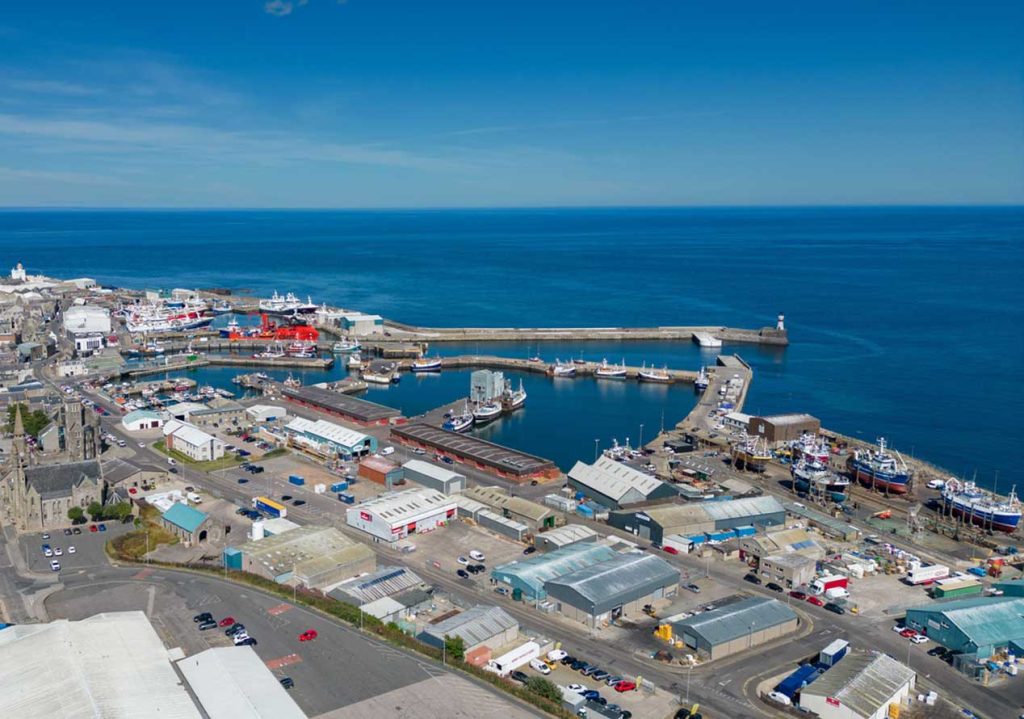
Waking early in Fraserburgh pays off. The harbour, with its flurry of activity at dawn, felt like the beating heart of the town. Fishermen hauled in nets heavy with haddock and langoustines, gulls bickered overhead, and boats nudged against each other like old friends returning from the deep.
There’s a rhythm to the harbour that’s oddly calming. I found myself lingering along the edge, watching trawlers unload while sipping coffee from a local bakery. A few fishermen nodded in greeting, and one even shared a story about a monstrous halibut caught years ago. Whether true or inflated by time, the story had weight. You don’t measure stories like that in pounds or inches.
At low tide, the water dropped to reveal mossy steps and old mooring posts. I walked the quay slowly, hands tucked in my coat pockets, enjoying the sound of ropes creaking against metal cleats and the distant bark of a ship’s horn. For a town known for its industrial fisheries, the harbour possesses surprising tranquility.
3. The Beach and Esplanade
The North Sea isn’t known for being warm, but Fraserburgh Beach has its own austere beauty. Long and flat, the sands stretch out beneath a sky that changes its mood hourly. One morning, I braved the wind and walked the esplanade, the soles of my boots crunching softly against the sand-gritted walkway.
Waves rolled in with a measured cadence, some topped with seafoam like lace. A group of surfers—bold souls in neoprene—bobbed beyond the breakers. Children with kites dashed about, laughing into the gusts. The promenade has several well-placed benches, and I claimed one to sit and reflect, watching dogs chase after sticks with the kind of enthusiasm only canines can maintain in 40-knot winds.
There’s a minimalist charm to the landscape. No palm trees, no volleyball nets—just sky, sea, and the endless whisper of tide on shore. It reminded me that beauty doesn’t always shout; sometimes it murmurs and waits to be noticed.
4. The Wine Tower
Standing apart from the lighthouse, both physically and spiritually, the Wine Tower is one of Fraserburgh’s most curious structures. Local legends give it a dramatic flair: a laird’s mistress supposedly locked within its upper chamber, a secret tunnel to Kinnaird Head, and ghostly voices heard at night.
Architecturally, it’s a relic—three stories high, built of red sandstone, more fortress than cellar. Though not open to the public inside due to safety concerns, it’s worth a close-up inspection. I circled the exterior, noting the narrow slit windows and lichen-covered stonework. Sea winds whipped through the nearby grass, and for a moment I could almost hear whispered arguments and the clink of goblets behind those thick walls.
Photographers will find it irresistible at dusk, when the sky bleeds pink behind the tower. It’s a setting that begs for stories and inspires more questions than answers.
5. Fraserburgh Heritage Centre
Housed in an old barrel store near the harbour, the Heritage Centre turned out to be a treasure trove of local pride. Exhibits cover everything from the town’s fishing legacy to wartime efforts, textile trades, and even the once-thriving herring boom that brought prosperity and packed tenement rows.
A highlight for me was the re-creation of a fisher family’s kitchen from the 19th century—modest, warm, and filled with the scent of peat. Another exhibit allowed me to try my hand at rope-tying knots used by fishermen; it turns out my fingers are better suited to typing than trawling.
Friendly volunteers, mostly retirees with long ties to the town, offered anecdotes you won’t find on the placards. One gentleman recalled the days when the harbour echoed with the cries of fish auctions at 5 a.m., and his face lit up like he was still standing there, hands cold, heart full.
6. Cairnbulg Castle
A few miles outside Fraserburgh stands Cairnbulg Castle, a fortified house with a history that stretches back to the 13th century. Privately owned and only occasionally open to the public, I was fortunate enough to time my visit with one of its rare open days.
Driving there felt like moving backwards through time: hedgerows gave way to wide fields, and the castle emerged like something from a Highland fable. The structure has undergone centuries of restoration, and it wears its age with grace—crenellated towers, stone staircases, thick wooden doors.
Inside, tapestries and antique furnishings offered a glimpse of domestic life amid battlements. A guide pointed out a secret stairwell once used as a bolt hole during clan conflicts. Outside, peacocks roamed the grounds, strutting with theatrical pride beneath ancient trees.
7. Philorth Nature Reserve
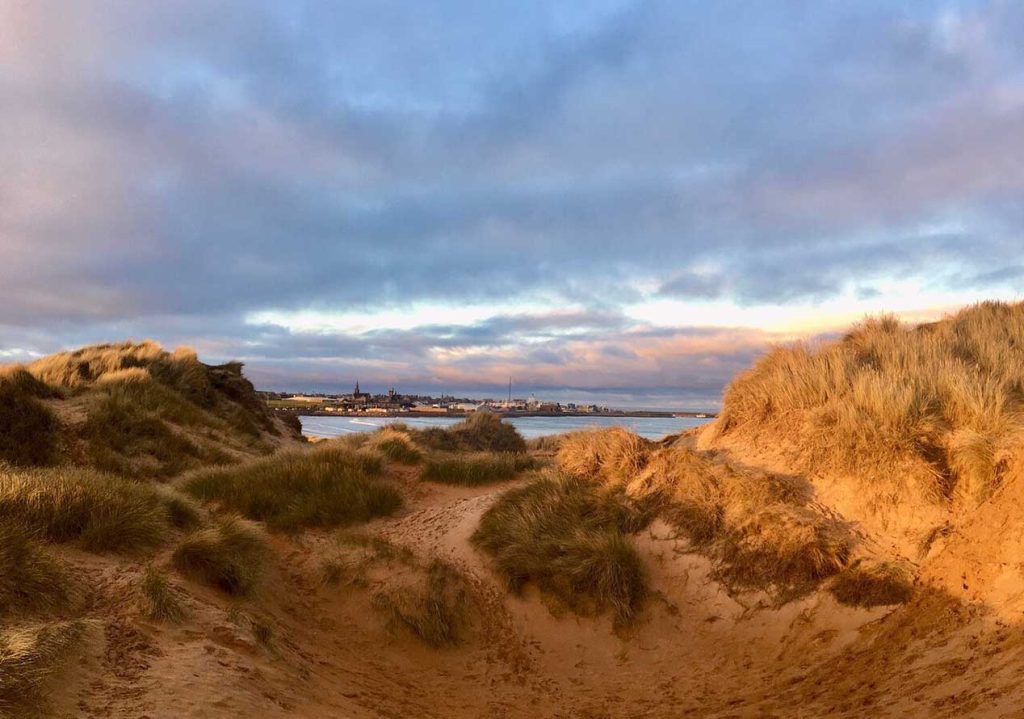
On the southern edge of Fraserburgh lies Philorth, a haven of dunes, salt marsh, and birdlife. A nature reserve in name and spirit, it’s ideal for those seeking quiet communion with the land.
I followed a meandering path through tall grasses, past wildflowers nodding in the breeze. Waders and oystercatchers patrolled the shallows while larks sang overhead. Binoculars aren’t strictly necessary, but they do add to the experience. I spotted a heron standing so still I almost mistook it for driftwood.
The estuary’s shifting tides create mirror-like pools that reflect sky and bird alike. I lingered here longer than intended, shoes muddy, soul steadied.
8. Broadsea
Fraserburgh may be a fishing town, but Broadsea is where that identity began. Once a fiercely independent fishing village, it’s now part of the town proper but retains its own atmosphere. Narrow lanes and huddled cottages lean into each other like conspirators.
Walking through Broadsea felt like stepping into a memory not my own. Weathered houses bore names rather than numbers, and boats sat snug in back gardens. I passed a woman stringing up washing in the salty breeze, and she nodded with a smile that said, “Yes, this is how we’ve always done it.”
There’s no official route to follow here—just wander. Follow the sea wall, listen to the gulls, admire the resilience of a community built against the elements.
9. Fraserburgh Golf Club
It would be remiss not to mention the golf. Fraserburgh Golf Club, founded in 1777, is the seventh oldest in the world and sits right beside the sea. Links golf here is raw, elemental, and deeply satisfying.
I played nine holes on a blustery afternoon, my shots as unpredictable as the wind, but the course was a joy. Natural dunes serve as hazards, the greens are fast, and the views, well, they do a good job of distracting from any botched putts.
The clubhouse was warm, modest, and welcoming. A cup of tea, a shared laugh about the seventh hole’s merciless bunkers, and a sense that golf here is not just sport, but ritual.
10. Local Cafés and Fish & Chips
I discovered that Fraserburgh’s food scene, while humble, is full of heart. Local cafés serve hearty soups, oatcakes, and dense scones best eaten warm. I stopped at one café near Saltoun Square where the tea was poured from a stout teapot, and the butter on the shortbread was thick enough to build walls with.
The real culinary gem? The fish and chips. Served hot in paper, eaten by the seafront with fingers slightly numb from the wind. The haddock was golden, flaky, and fresh—likely caught just that morning. I’ve had fish and chips in half a dozen countries, but there’s something unbeatable about tasting it in a town where the sea is more than scenery; it’s livelihood.
These ten places wove themselves into the fabric of my visit, not as attractions to be ticked off a list, but as moments stitched into memory. Fraserburgh may lie at the edge of the map, but it holds the kind of richness that rewards anyone willing to wander a little further north. The town doesn’t posture or perform—it simply is, and that is what makes it unforgettable.