1. Arrival in Inverness
The moment the train pulled into Inverness station, the cool Highland air greeted me like an old friend. A soft drizzle painted the pavements with a glistening sheen, and the scent of wet stone and distant pine lingered in the breeze. Inverness, nestled by the banks of the River Ness, welcomed me not with grandeur but with a quiet, deep-rooted charm that seemed to whisper of centuries past.
After settling into a modest guesthouse near the city centre, I took a short stroll along the river, letting the city’s rhythm slowly unfold before me. The architecture—some Georgian, some Victorian—stood firmly, the kind of stoicism only time can bestow. Just across the Ness Bridge, with a cup of locally roasted coffee warming my hands, I saw the brown signs pointing to the Inverness Museum and Art Gallery. That would be my first stop.
2. First Impressions of the Museum
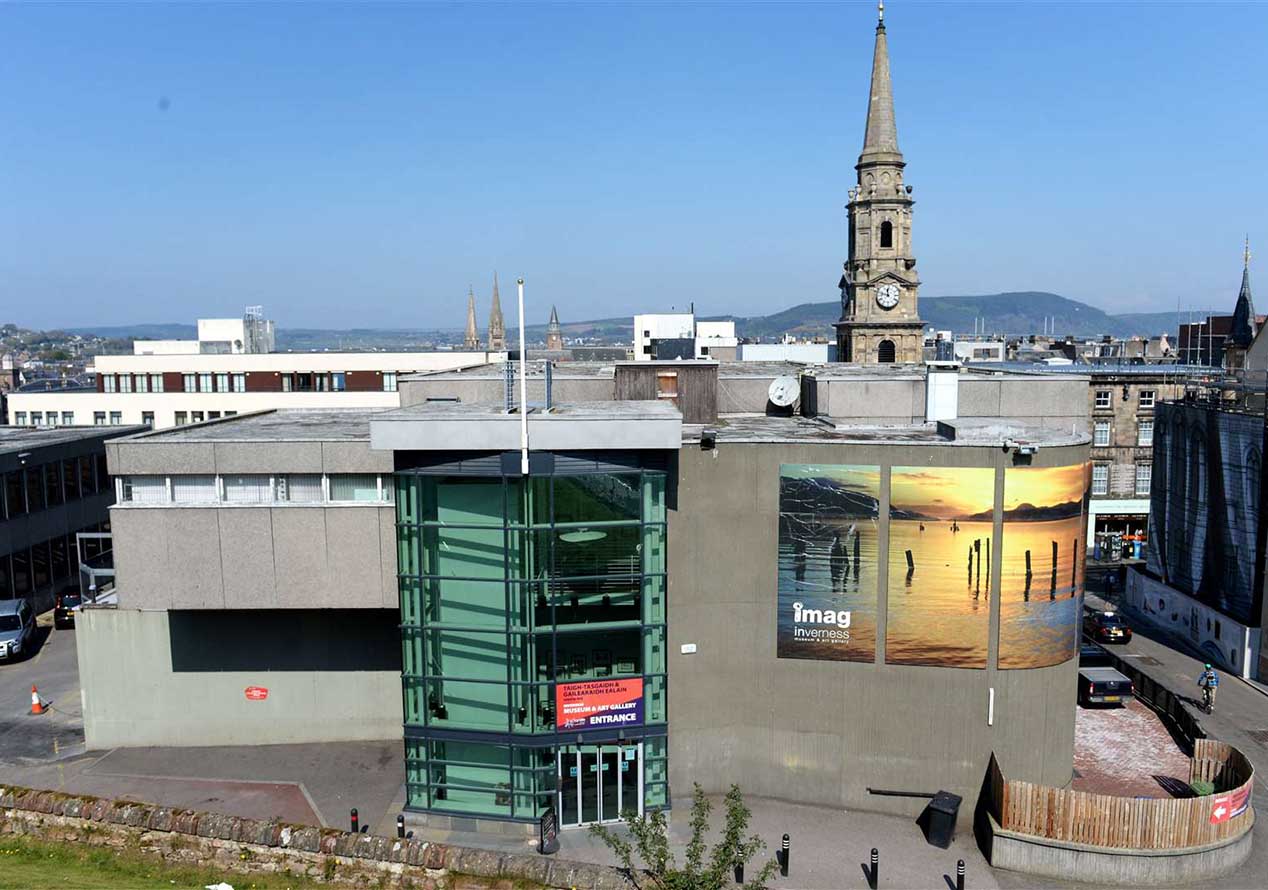
The Inverness Museum and Art Gallery sits at the foot of Castle Hill, just beneath the prominent Inverness Castle. The building itself is unassuming, a mix of modern lines and traditional masonry that fits comfortably into its surroundings. Stepping inside, the first thing I noticed was how quiet it was, save for the gentle hum of conversation and the occasional creak of wooden floorboards. The welcome area is open, with a small shop offering locally crafted souvenirs, books, and prints.
An attendant greeted me with a smile and handed me a brochure. There was no entrance fee—just a polite request for donations. I took a deep breath and walked into the main exhibition space, curious about what stories the Highlands had to tell.
3. The Heart of Highland History
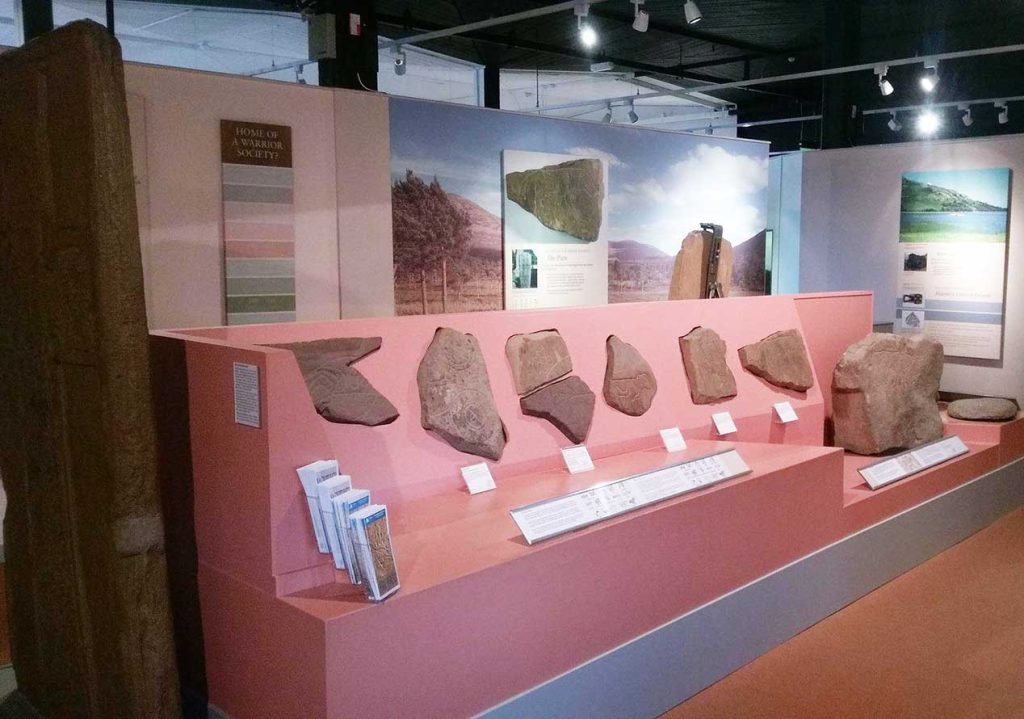
The museum’s permanent collection begins with a journey through geological time. Cases of rocks, fossils, and ancient tools set the stage, tracing the shaping of the Highlands from deep time to the Iron Age. These displays, while modest, are curated with care. There’s an intimacy to the museum, as if it’s speaking not to a crowd but to each visitor individually.
One of the first things that caught my attention was the collection of Pictish stones—carved standing stones etched with mysterious symbols and animal forms. I spent nearly twenty minutes examining the Clachnacuddin Stone, a Pictish stone fragment found near Inverness. Its spiral and knotwork motifs are haunting in their precision, their meaning still debated by scholars. There’s something profound in standing before a stone carved by hands over a thousand years ago, hands belonging to people who walked these same hills and riverbanks.
The museum flows chronologically. A reconstructed Highland croft interior offers a glimpse into the domestic life of the 18th and 19th centuries—cast iron cookware, handwoven blankets, and the smoky scent of peat fires seem to rise from the wooden walls. The display is more than objects behind glass; it feels like stepping into the memories of a family long gone, yet whose ways still echo in the Highlands today.
4. Jacobites and the Battle That Changed Scotland
Further along, I found myself face to face with the fierce legacy of the Jacobite uprisings. Inverness, as the gateway to the Highlands, played a significant role in this chapter of Scottish history. The displays are rich with detail—letters, weapons, and clothing belonging to both Highland clans and government forces.
A tattered Jacobite banner hangs above one display case, its fabric faded but defiant. Nearby, a flintlock pistol and dirk once wielded in the 1745 rising sit beside a black-and-white portrait of Bonnie Prince Charlie. His gaze is romanticized in oil, but the stories told by the accompanying texts are far from simple heroism.
A multimedia exhibit plays short films narrating the buildup to the Battle of Culloden. Sitting on a wooden bench in the corner of the gallery, I listened to the haunting account of that bloody April morning in 1746. The display doesn’t glorify—it mourns, it remembers. It forces reflection on the cost of rebellion and the fragility of culture when crushed beneath political forces.
5. Art Inspired by Land and Spirit
From the historical galleries, the path leads naturally into the museum’s art space. I arrived just as the seasonal exhibition opened: a showcase of contemporary Highland artists working in painting, sculpture, and mixed media. The contrast between the tactile history of the museum and the interpretive nature of modern art was surprisingly seamless.
One piece in particular stopped me in my tracks—a large oil canvas titled “Mist on the Firth” by a local painter, depicting the Beauly Firth shrouded in early morning fog. The palette was muted: greys, soft blues, and flecks of ochre. Yet it conveyed so much of what the Highlands feel like—resolute, mysterious, beautiful in an understated way.
Another installation used found materials—driftwood, sheep wool, rusted iron—to explore the relationship between land and identity. A short poem, scrawled on a panel beside it, described the “slow erosion of memory in the rain,” a phrase that lingered with me as I moved on.
6. Stories from the Gaelic Heart
One room was dedicated entirely to Gaelic culture, language, and oral storytelling. A looping audio installation played fragments of traditional songs, prayers, and proverbs in Scots Gaelic. Though I don’t speak the language, the cadence and tone were enough to convey meaning. The Gaelic oral tradition is ancient and still alive, not just preserved but actively practiced.
Photographs and interviews from residents of the Western Isles and Sutherland were displayed along the walls—faces weathered by time and sea, eyes bright with wisdom. The exhibit didn’t speak of nostalgia but of continuity. Children in school uniforms reciting Gaelic phrases, elders weaving tales of selkies and sea spirits.
There were old hymnals, Gaelic bibles, and manuscripts annotated with both English and Gaelic translations. A particularly moving piece was a video interview with a woman from the Isle of Skye who had been one of the last in her village to grow up with Gaelic as her first language. Her voice was strong and clear as she spoke of how the language ties her to land, to kin, to memory.
7. Craftsmanship and the Everyday
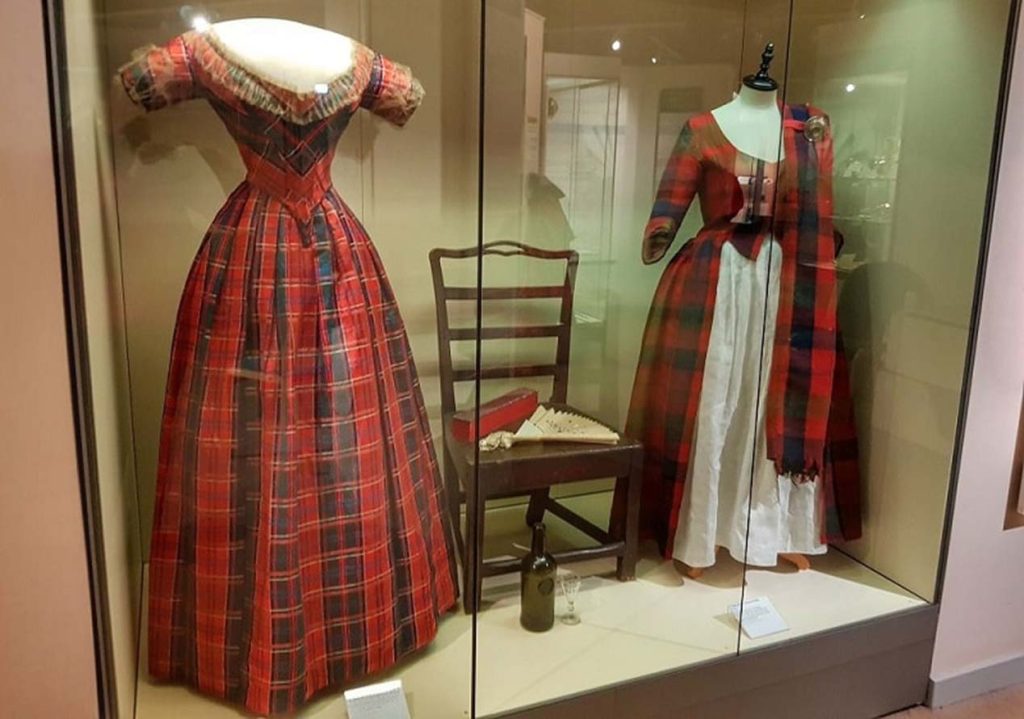
The upper gallery of the museum is a quieter, more contemplative space. Here, the focus turns to the craft traditions of the Highlands: blacksmithing, weaving, leatherworking, and musical instrument making. A glass case displayed a set of hand-forged bagpipes, each part labeled and explained.
There were sporrans made from otter and badger pelts, clan tartans with histories tracing back hundreds of years, and looms used to create the intricate patterns of Harris Tweed. I found myself drawn to a case showing woodcarving tools used in the making of sgian-dubhs, the small ceremonial daggers worn with kilts. Each blade had a story, each hilt was hand-carved from antler, bone, or bog oak.
Across from that was a rotating display of local crafts for sale, part of a collaboration with Highland makers. Hand-thrown pottery, wool scarves, carved drinking horns—these weren’t museum pieces, but living traditions. The distinction between art, utility, and culture faded, revealing how deeply craftsmanship is woven into the Scottish identity.
8. Conversations in the Café
After several hours wandering the exhibits, I retreated to the museum café, which overlooks the River Ness. The walls were lined with prints by local artists, and the small tables were filled with a mix of tourists and locals. I ordered a pot of tea and a warm slice of clootie dumpling with custard.
At the table beside me, an older couple chatted in soft Gaelic tones. It was comforting, somehow timeless. The staff behind the counter offered gentle recommendations on other places to visit in Inverness: Leakey’s Bookshop, the Victorian Market, and nearby Culloden Moor.
As I sat there, flipping through a small art booklet I’d picked up, I realized how deeply this museum had affected me. Not just for the artifacts or the facts, but for the way it stitched together story and silence, past and present. There is a humility in the way the Inverness Museum and Art Gallery presents its treasures—not to impress, but to share, to connect.
9. Walking Back Through History
Leaving the museum, I climbed the short hill to Inverness Castle, currently closed to the public for renovations but still imposing in its watch over the city. Below, the River Ness moved steadily toward the firth, carrying the memory of so many voices, lives, and legends.
I took the long route back to my guesthouse, crossing the Greig Street Bridge as the sun began to set behind the western hills. The sky was streaked with pink and lavender, the clouds stretched thin and soft like the wool in the exhibits I had just seen.
The Inverness Museum and Art Gallery is more than a building filled with objects. It is a lens through which to view a culture not frozen in time, but very much alive—adaptable, proud, and poetic. Walking through those galleries, I didn’t just learn about the Highlands. I felt them.