Fraserburgh, a coastal gem nestled in the northeast of Scotland, reveals itself as a place where tradition and craftsmanship pulse through its streets. The moment footsteps hit its cobbled lanes, there is an unmistakable sense of heritage—a town whose identity is woven tightly with skill, dedication, and pride in local craft. The journey through Fraserburgh’s artisan shops becomes not just a shopping trip but a passage through time, culture, and hands that create with heart.
1. First Impressions: A Town Where Craftsmanship Breathes
Stepping into Fraserburgh’s town centre, the air carries the faint scent of salt from the nearby North Sea, mingled with the inviting aromas of leather, wood polish, and, unexpectedly, the sharp sweetness of malt whisky. Small shopfronts with carefully lettered signs beckon the curious and the connoisseur alike. There is no rush here—each store feels like an invitation to slow down and explore the tangible expressions of local heritage.
The first shop encountered is a cozy, unpretentious establishment nestled on a side street: The Knitting Nook. Its windows are adorned with colorful yarn displays and hand-knit garments that seem to whisper stories of hands that have shaped each stitch.
2. The Knitting Nook: A Tapestry of Tradition
Inside, shelves rise like miniature mountains of wool and yarn—merino, alpaca, Shetland wool—all waiting to be transformed by deft fingers. The shopkeeper, a kindly older gentleman named Angus, shares with enthusiasm the history behind some of the patterns displayed: traditional Fair Isle designs handed down through generations, each motif carrying its own meaning, often tied to local folklore.
There’s a palpable reverence here for the craft, not just as a hobby but as a form of storytelling. Angus points out a particular shawl, its intricate lacework delicate yet sturdy, saying it was made by his grandmother, a woman who never spoke much but poured love into her knitting. This personal touch infuses the entire space.
Sitting on a wooden stool by the counter, watching the interplay of colors and textures, it’s clear that knitting in Fraserburgh is more than creating clothing—it’s preserving a cultural identity stitched into every loop and purl.
3. Exploring Further: Leather and Woodworking Wonders
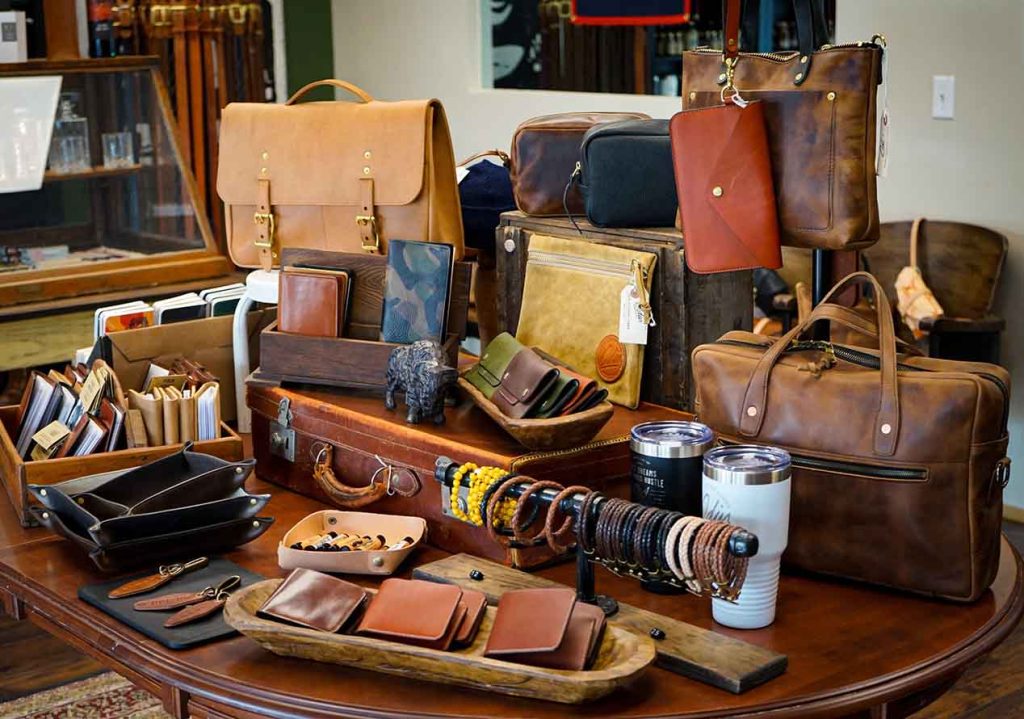
A few steps away lies Fraserburgh Leatherworks, where the scent changes to something richer, earthier. The shop displays hand-crafted leather goods ranging from wallets and belts to exquisitely designed satchels. The artisan, Fiona, explains how every piece is cut and sewn on-site, using leather sourced from Scottish farms.
What’s striking is the blend of rugged practicality with refined artistry. One finds belts embossed with Celtic knotwork, bags lined with tartan fabric, and even bespoke pieces tailored to individual customers. Fiona emphasizes sustainability—repurposing offcuts and repairing rather than discarding, a nod to respecting resources and tradition.
Adjacent to Leatherworks is The Woodsmith’s Corner, a workshop-cum-store filled with the scent of freshly carved oak and pine. The craftsman, Alistair, specializes in creating utensils, decorative boxes, and furniture pieces that marry functionality with ornate Scottish motifs. Watching Alistair hand-carve a small wooden toy is like witnessing a dance of precision and patience.
4. The Whisky Experience: More Than a Drink
Fraserburgh’s ties to whisky are well known, though not as famous as other parts of Scotland, the town’s distilleries embody a deeply rooted passion for the craft. The Fraserburgh Distillery shop presents a curated selection of small-batch whiskies, some matured in rare oak casks, others infused with local botanicals.
The shop assistant guides through a tasting, describing the flavor profiles—notes of heather, sea salt, and subtle smoke. Each bottle tells a story of place and process, from the purity of the water used to the skillful blending.
What sets Fraserburgh whisky apart is the intimate scale of production and the connection to local land and sea. It is a drink born of its environment, crafted with care that honors generations of distillers before.
5. Textiles Beyond Wool: Linen and More
A lesser-known aspect of Fraserburgh’s textile craft is its work with linen. At Linen & Loom, an airy, sunlit shop, bolts of handwoven linen fabrics line the walls. The proprietor shares that the flax fibers are locally grown and processed using age-old techniques, producing fabric prized for its strength and natural sheen.
It is fascinating to learn that linen weaving, once the backbone of the region’s economy, is now a specialized craft sustained by a small but dedicated group of weavers. The tactile sensation of running fingers over the crisp linen reveals centuries of expertise and patience.
6. Hidden Treasures: Ceramics and Pottery
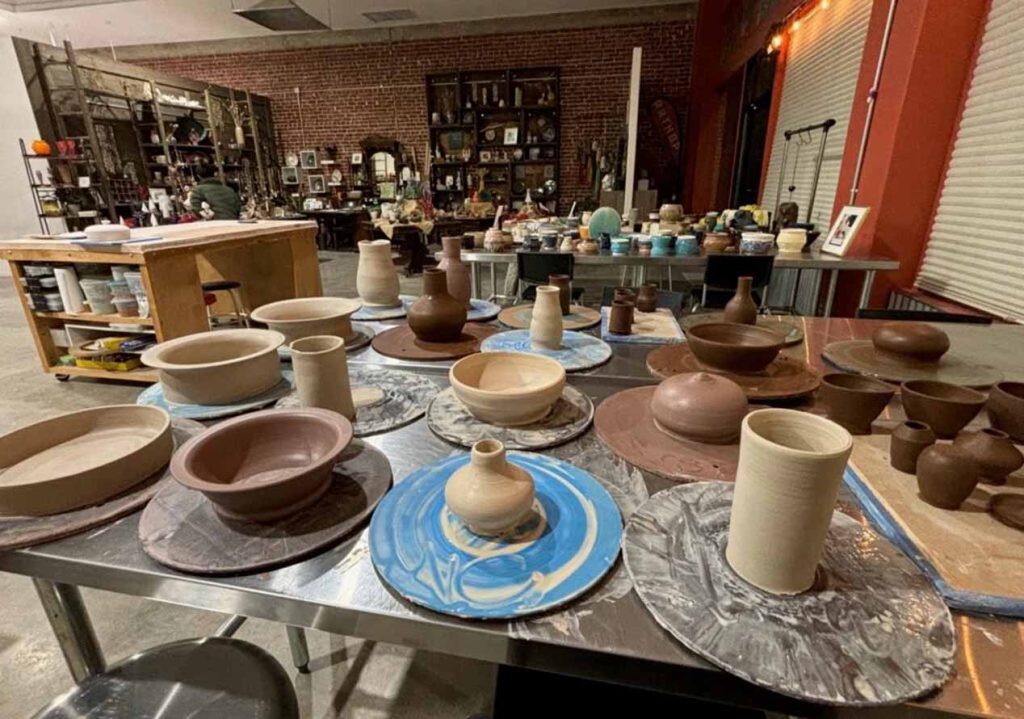
Tucked away in a narrow lane, The Clay Studio surprises with its vibrant display of handcrafted ceramics. The potter, Morag, speaks about the connection between earth and art, shaping clay that echoes the textures and colors of Fraserburgh’s landscapes—deep sea blues, sandy browns, and mossy greens.
Her pieces range from rustic mugs perfect for morning tea to intricate bowls decorated with Celtic symbols. The glazing techniques are traditional but with a contemporary flair, making each item a blend of past and present.
7. The Social Fabric: Craft as Community
Craftsmanship in Fraserburgh is not confined to shops but thrives in the communal spirit of workshops and markets. On a crisp morning, the town square hosts a small artisan market, where makers display their work side by side. Here, conversations flow freely—about techniques, sources of inspiration, and the challenges of sustaining craft in a modern world.
Witnessing this network of artisans, one sees how craft acts as a social glue, binding the community through shared passion and mutual support.
8. The Impact of Heritage and Innovation
What stands out is the delicate balance between preserving traditional methods and embracing innovation. Many shops showcase items that respect historic techniques but incorporate modern design sensibilities or new materials, appealing to both locals and visitors.
This dynamic tension ensures that Fraserburgh’s craft scene remains vibrant and relevant, fostering a future that honors the past without being confined by it.