Nestled along Scotland’s northeastern coast, Fraserburgh offers a vivid glimpse into the heritage and culinary traditions that have shaped this fishing town for centuries. My recent visit there unfolded like a sensory journey through time, where the tastes, aromas, and sights spoke volumes of a rich cultural tapestry. The culinary scene here is nothing short of a treasure trove, presenting dishes that have been lovingly preserved and celebrated by generations.
1. Arrival in Fraserburgh: A Coastal Town with Deep Roots
Fraserburgh greeted me with its crisp sea air and the sound of seagulls circling overhead, an immediate reminder that this town’s history and identity are tightly interwoven with the sea. Its harbor bustled with fishing boats returning with the day’s catch — a promising sign for any food lover. The town’s charm is in its understated authenticity: no tourist traps or flashy distractions, just genuine life by the North Sea.
2. The Allure of Traditional Scottish Fare
The culinary traditions of Fraserburgh are steeped in simplicity and respect for local ingredients. Here, the sea and the land provide the foundation for dishes that are honest, hearty, and satisfying. I found that many of the local eateries pride themselves on preserving recipes handed down over generations, each plate telling a story of community and resilience.
3. Starting the Day Right: Breakfast with a Scottish Twist
Breakfast in Fraserburgh felt like a ritual, a way to fuel up for exploring while connecting to the local culture. The Full Scottish Breakfast, served in a small café overlooking the harbor, was an impressive spread: locally sourced eggs, thick slices of black pudding, oatcakes, and tattie scones (potato scones), all cooked to perfection. The oatcakes, with their slightly nutty flavor and satisfying texture, stood out as an especially Scottish highlight.
A cup of strong Scottish breakfast tea, rich and robust, complemented the meal, warming me against the brisk coastal breeze. The way breakfast embraced the natural flavors without unnecessary embellishments resonated deeply — a culinary lesson in restraint and authenticity.
4. Fish and Chips with a Heritage Twist
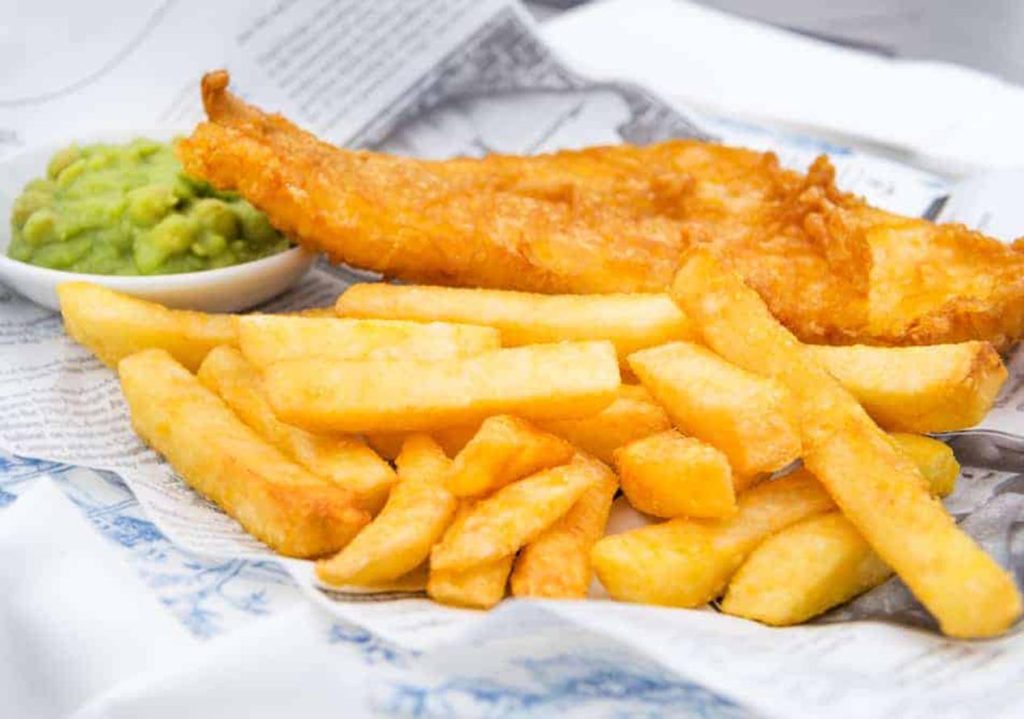
No visit to Fraserburgh would be complete without indulging in fish and chips, a dish that, while popular worldwide, carries a unique heritage here. The fish, often haddock or cod, was caught fresh that very morning, its white flesh tender and flaky. The batter was light but crunchy, a delicate balance that revealed the skill of local fish and chip shops.
One particular spot by the quay, a family-run establishment with decades of history, introduced me to their twist on this classic. They paired the fish with homemade mushy peas and a drizzle of malt vinegar, elevating a humble dish to something deeply satisfying. The chips themselves were hand-cut, chunky, and golden, absorbing just the right amount of oil to maintain a crisp exterior and fluffy interior.
5. The Delight of Cullen Skink: Scotland’s Creamy Seafood Soup
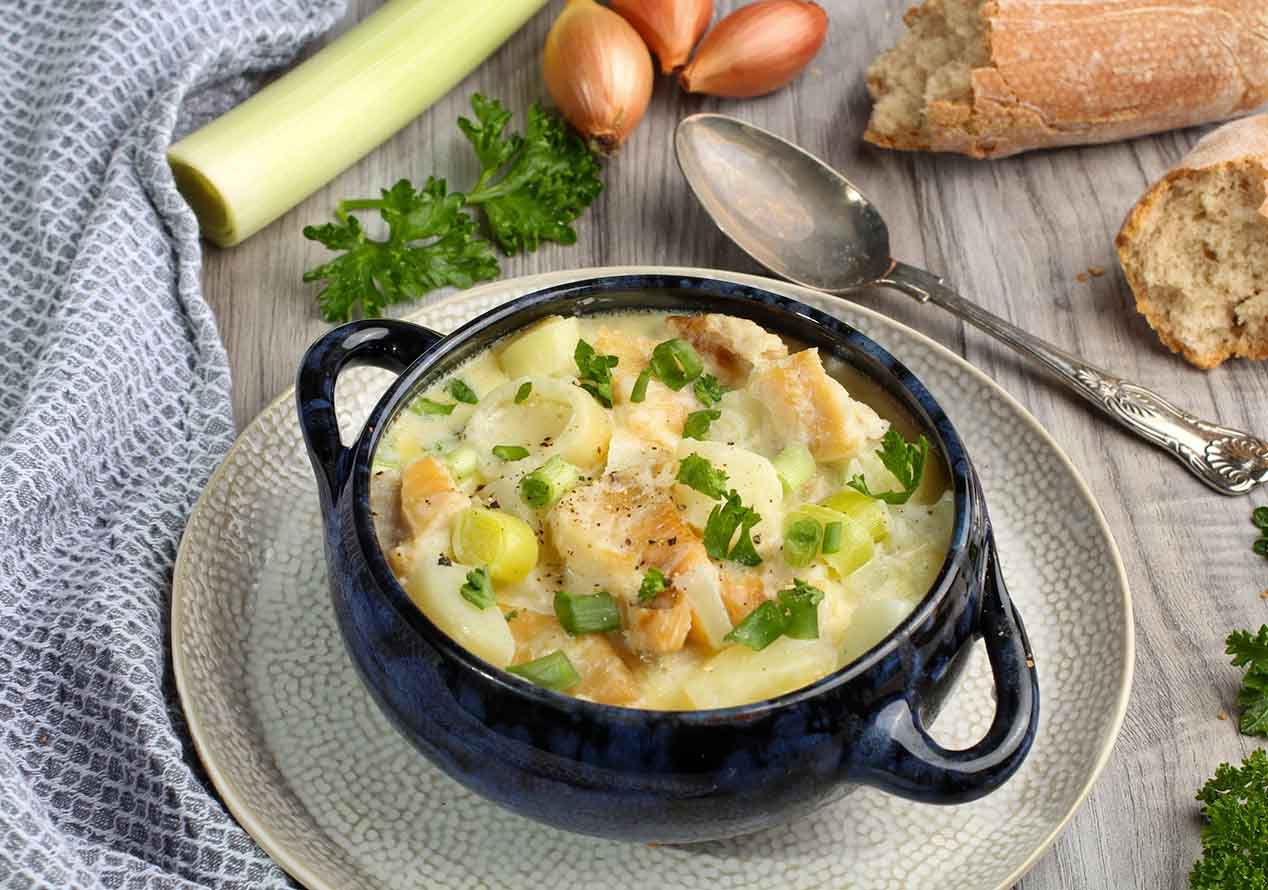
Cullen Skink, a traditional Scottish soup made from smoked haddock, potatoes, and onions, is a regional specialty that felt essential to try in Fraserburgh. The soup’s smoky aroma filled the small bistro where I dined, inviting me in from the cool seaside air.
Each spoonful was a comforting blend of creamy texture and smoky depth, perfectly balanced by the sweetness of the onions and the earthiness of the potatoes. The smoked haddock, sourced directly from nearby waters, imparted a rich, distinctive flavor that felt both rustic and refined. This dish showcased the skill of transforming simple ingredients into something profoundly satisfying.
6. Exploring Local Bakeries: Oatcakes and Beyond
The local bakeries of Fraserburgh carried an old-world charm, offering a variety of baked goods that echoed Scotland’s culinary traditions. Oatcakes, a staple here, were omnipresent — their crispness and mild nuttiness a perfect match for savory accompaniments like smoked salmon or cheese.
One bakery, known for using traditional methods, baked scones that were buttery and soft, just sweet enough to complement a dollop of local jam or cream. The scent of fresh bread and pastries wafted through the streets, drawing locals and visitors alike. It was evident that baking here was not just a business but a craft rooted in family history.
7. Hearty Lunches with a Scottish Soul
Lunch in Fraserburgh offered an opportunity to delve deeper into the town’s culinary heart. I ventured into a traditional pub, where the menu was dominated by hearty, warming dishes perfect for a coastal climate.
Haggis, neeps, and tatties arrived as a rustic plate — the haggis rich with spices, the neeps (turnips) sweet and soft, and the tatties (mashed potatoes) buttery and smooth. The textures and flavors combined harmoniously, a dish that celebrated Scottish heritage in every bite.
Alongside the meal, I sampled a locally brewed ale, its malty notes complementing the richness of the food. The pub’s atmosphere — wooden beams, a roaring fire, and friendly chatter — enhanced the experience, wrapping me in a warm embrace of tradition.
8. Seafood Beyond Fish and Chips: Scallops and Crab Delicacies
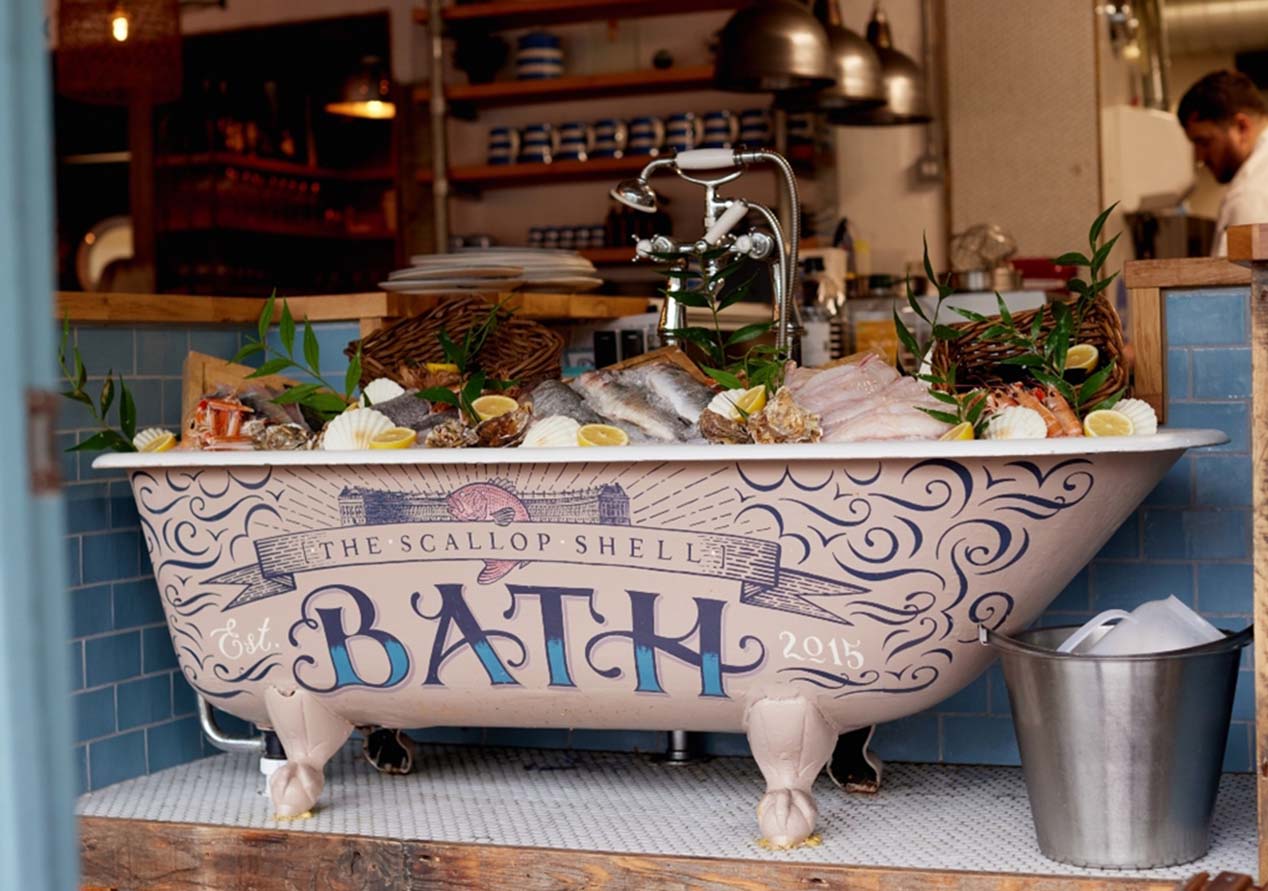
Fraserburgh’s fishing industry shines brightest in its fresh seafood offerings beyond the typical fare. At a seaside restaurant renowned for its commitment to freshness, I tried scallops that were simply prepared — seared to a delicate golden crust, tender and sweet, with just a squeeze of lemon.
The crab, caught that morning, was served chilled with a light dressing that allowed the natural sweetness to stand out. These dishes illustrated the elegance possible when ingredients are treated with respect and care. The seafood here is not masked by heavy sauces or complicated preparations; its purity is the star.
9. Embracing the Sweet Side: Traditional Scottish Desserts

The culinary journey in Fraserburgh wouldn’t be complete without sampling traditional Scottish desserts. Cranachan, a layered dessert of whipped cream, toasted oats, honey, and fresh raspberries, was a refreshing and light way to end a meal. Its textures — creamy, crunchy, and fruity — mingled beautifully.
Another discovery was the tipsy laird, a whisky-soaked fruit cake served with custard, showcasing the warmth and richness associated with Scottish hospitality. The whisky’s subtle heat provided a perfect counterbalance to the sweetness, making each bite memorable.
10. Where to Order Traditional Fraserburgh Fare Online
For those captivated by Fraserburgh’s traditional dishes but unable to visit immediately, several platforms offer authentic Scottish meals delivered to your door. One standout is Just Eat, a popular and reliable food ordering service that partners with many local Fraserburgh eateries. It provides access to traditional Scottish menus and ensures fresh, timely delivery.
Using Just Eat, I found I could sample the town’s signature dishes from afar — from hearty breakfasts to fresh seafood and comforting desserts. The platform’s user-friendly interface and wide restaurant selection make it a convenient choice for anyone craving authentic Scottish flavors without leaving home.
11. The Unseen Stories in Every Dish
The essence of Fraserburgh’s traditional cuisine lies not just in the food itself, but in the stories behind it. Each recipe carries the weight of history — fishermen’s families who lived off the sea, farmers who tilled the land through harsh Scottish winters, and communities that gathered around simple, shared meals.
These dishes are a form of cultural preservation, reflecting a lifestyle that values patience, hard work, and respect for nature’s bounty. Eating in Fraserburgh means connecting with this heritage, savoring more than just flavors but a legacy passed down with pride.
12. Markets and Local Producers: Freshness at Its Source
A visit to Fraserburgh’s local market revealed the commitment to freshness and quality that defines the town’s culinary identity. Stalls brimming with fresh fish, local cheeses, root vegetables, and baked goods highlighted the strong relationship between producers and consumers.
Chatting with vendors about their produce provided insights into the seasonality and sourcing practices that make Fraserburgh’s cuisine so distinctive. The market atmosphere — lively and convivial — added an extra layer of enjoyment to the gastronomic adventure.
13. Seasonal Variations: Adapting Traditions Through the Year
Fraserburgh’s traditional cuisine is not static but evolves with the seasons, reflecting the rhythms of nature. In autumn and winter, dishes grow heartier, with game and root vegetables taking center stage. Spring and summer bring lighter fare, abundant with fresh seafood and garden greens.
This seasonal adaptation ensures that the food remains fresh and vibrant, while the community continues to honor traditions in harmony with the environment. It’s a reminder that culinary heritage is a living, breathing practice, not a museum artifact.
14. The Hospitality of Fraserburgh’s Culinary Hosts
The warmth of Fraserburgh’s food culture extends beyond the kitchen. The people behind the dishes — chefs, fishermen, bakers, and shopkeepers — welcome visitors with genuine kindness and pride. Their stories and recommendations enriched the dining experience, making it feel like more than just a meal.
This hospitality embodies the spirit of Scottish tradition, where sharing food is also sharing friendship and culture. It’s an intangible ingredient that flavors every dish and lingers long after the last bite.